
The Power of Self-Care: A Guide to the Importance of DIY Self-Massage for Busy Women.
In the hustle and bustle of modern life, finding time for self-care can often be a challenge, especially for busy women managing various roles and responsibilities. While a visit to a professional massage salon may seem like a luxury, the benefits of self-massage are not to be underestimated. In this article, we’ll delve into the importance of incorporating self-massage into your routine when time constraints make salon visits challenging.

- Stress Relief on Your Terms: Life’s demands can lead to heightened stress levels, impacting both physical and mental well-being. Self-massage provides a convenient and accessible way to alleviate tension whenever it fits into your schedule. A few minutes of focused self-massage can help release muscle tightness, reduce stress hormones, and promote relaxation.
- Improved Circulation and Energy Boost: Regular self-massage stimulates blood circulation, aiding in the delivery of oxygen and nutrients to muscles and tissues. This increased blood flow can result in improved energy levels and a heightened sense of vitality, all achieved through the simple yet effective practice of self-massage.

- Alleviation of Aches and Pains: For women constantly juggling responsibilities, physical discomfort and muscle aches can become commonplace. Self-massage allows you to target specific areas of tension, helping to ease soreness, reduce muscle stiffness, and promote a greater range of motion. It’s a personalized solution to address your body’s unique needs.
- Enhanced Sleep Quality: Quality sleep is essential for overall well-being, yet the stresses of daily life can interfere with a good night’s rest. Incorporating self-massage into your bedtime routine can signal to your body that it’s time to relax. Focused on areas like the neck, shoulders, and feet, self-massage can contribute to a more restful and rejuvenating sleep.
- Cost-Effective and Time-Efficient: The beauty of self-massage lies in its accessibility. Unlike salon visits that may require appointments and financial investments, self-massage can be done anytime, anywhere, at no extra cost. All you need is a few minutes and the willingness to prioritize your well-being.
- Empowerment and Mind-Body Connection: Engaging in self-massage fosters a deeper connection with your body. By tuning into areas of tension and addressing them with your own hands, you empower yourself to take an active role in your physical and mental health. This mindful practice encourages a positive relationship with your body, promoting a sense of self-love and care.
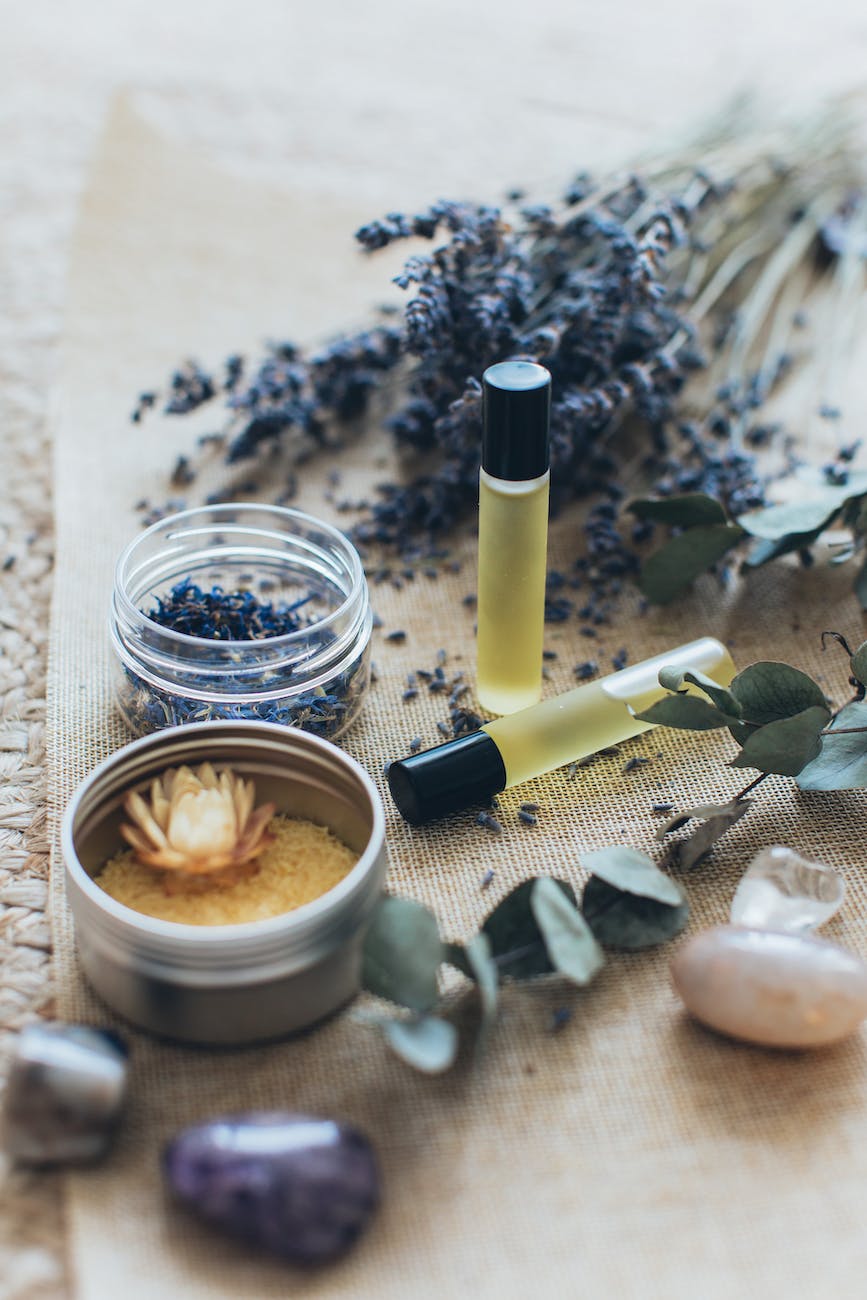
- Customization to Personal Preferences: Self-massage allows you to tailor the experience to your liking. Whether you prefer gentle strokes, deep tissue work, or the use of essential oils, you have the flexibility to create a personalized massage routine that resonates with your individual preferences and needs.

In the midst of a hectic schedule, taking a few moments for self-massage can make a significant difference in your overall well-being. By embracing this accessible and empowering practice, busy women can prioritize self-care, manage stress, and foster a deeper connection with their bodies. Remember, self-massage is not just a luxury; it’s a simple yet powerful tool for nurturing your physical and mental health in the midst of life’s demands.
Here’s a list of self-massage tools and equipment that women can use on a daily basis to promote relaxation, reduce tension, and enhance overall well-being:
- Foam Roller:
- Ideal for releasing tension in large muscle groups, foam rollers help with myofascial release and can be used on the back, thighs, and calves.
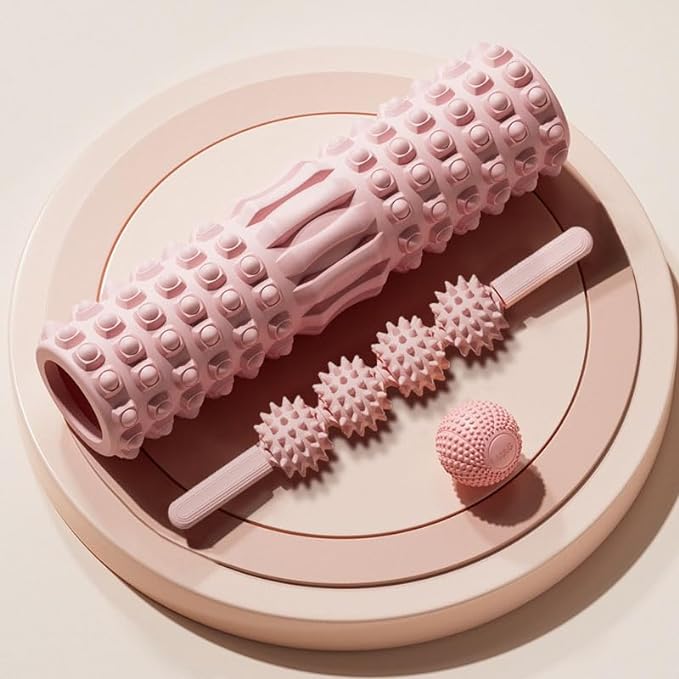
2. Massage Balls:
- These small, firm balls are perfect for targeting specific areas of tension, such as the neck, shoulders, and feet. They come in various sizes and densities.

- Designed for self-massage on different parts of the body, a massage stick or rod can help alleviate muscle tightness and improve circulation.

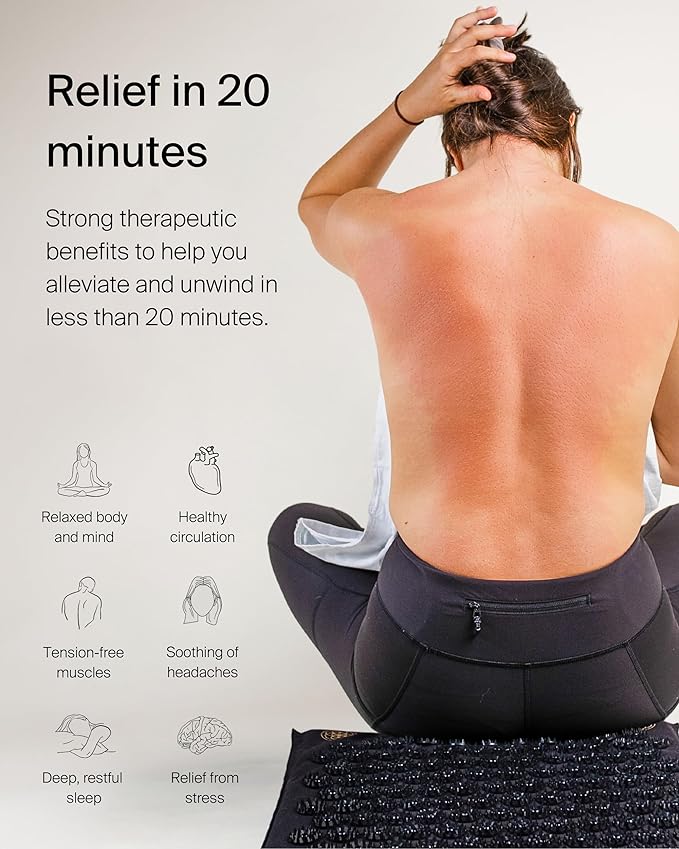
4. Acupressure Mat:
- Featuring small spikes or pressure points, an acupressure mat can be used to stimulate acupressure points on the back, promoting relaxation and pain relief.
- Electric or manual handheld massagers are versatile tools that can be used to target various muscle groups. They often come with different attachments for different massage techniques and even temperatures.

- These devices use rapid pulses or vibrations to penetrate deep into muscles, providing a massage that mimics the effects of percussion therapy. They’re excellent for relieving muscle soreness.

7. Massage Pillow:
- Shaped like a pillow, these devices are designed to provide neck and shoulder massage. They often come with adjustable intensity levels and heat features for added comfort.

8. Foot Roller or Massage Ball:
- Specifically designed for the feet, these tools can help relieve tension and discomfort in the arches, heels, and soles.

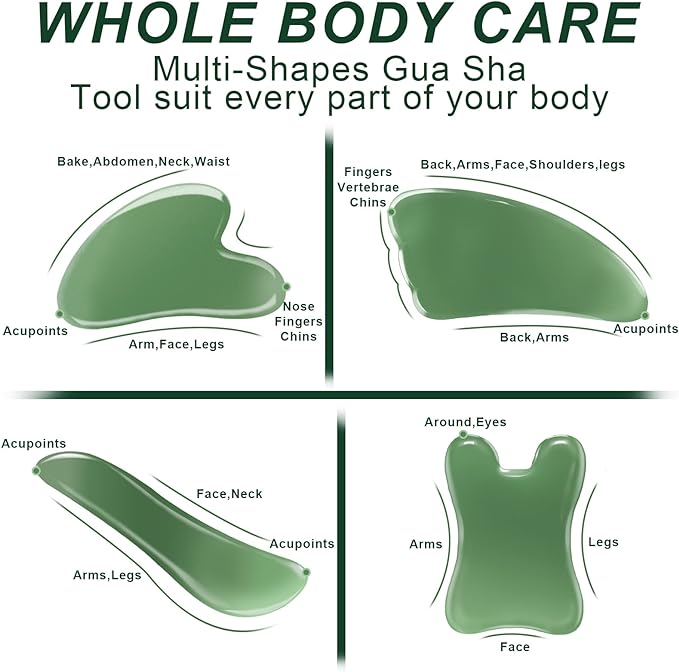
9. Gua Sha Tool:
- Traditionally used in Chinese medicine, a Gua Sha tool is a flat, smooth instrument used for scraping or massaging the skin to promote blood circulation and reduce muscle tension.
10. Hot and Cold Therapy Packs:
- Heat and cold therapy packs can complement self-massage by providing additional relief to sore muscles. They can be used interchangeably based on personal preferences or specific needs.

Pprioritizing self-care, including regular self-massage, is of paramount importance for women after 40.
A 20-minute self-massage routine can be a wonderful way for women to unwind, release tension, and promote overall well-being. Here’s a suggested self-massage routine that you can customize based on your preferences:
- Neck and Shoulders (5 minutes):
- Start by gently massaging your neck with circular motions using your fingertips.
- Move to your shoulders, applying firm but comfortable pressure to release tension.
- Incorporate shoulder rolls and gentle stretches to enhance flexibility.
- Back (5 minutes):
- Use a foam roller or a massage ball to roll along your upper, middle, and lower back.
- Focus on areas of tightness and use slow movements to encourage muscle relaxation.
- Arms and Hands (3 minutes each side):
- Massage your arms with long, sweeping strokes from the wrists to the shoulders.
- Pay special attention to the forearms and hands, gently stretching and massaging each finger.
- Legs (7 minutes):
- Begin with the thighs, using a foam roller or massage stick to release tension.
- Move to the calves, using your hands or a massage ball to knead and roll along the muscles.
- Finish by massaging your feet, paying attention to the arches and using a massage ball or roller.
- Face and Scalp (3 minutes):
- Gently massage your face with upward strokes, focusing on the jawline, temples, and forehead.
- Move to your scalp, using your fingertips to massage in circular motions. This can help alleviate tension and promote relaxation.
- Deep Breathing and Mindfulness (2 minutes):
- Conclude your self-massage routine with a few minutes of deep breathing.
- Inhale slowly through your nose, allowing your abdomen to expand, and exhale through your mouth. Focus on calming your mind and being present in the moment.
Tips:
- Customize the routine based on your preferences and any specific areas of tension.
- Use massage oils or lotions to enhance the massage experience.
- Listen to calming music or practice mindfulness during your self-massage for a more relaxing ambiance.
- If you have specific health concerns or conditions, consult with a healthcare professional before starting a new self-massage routine.
Remember, the key is to listen to your body and tailor the self-massage routine to meet your individual needs. Regular self-care practices, including self-massage, can contribute significantly to your overall well-being.
Self-care is not a luxury; it’s a vital investment in one’s overall quality of life and longevity.

 I Am Not Sorry After 40
Leave a comment