This article contains paid links and author might earn commissions if you make a purchase.
Hair loss in women after the age of 40 can be attributed to various factors, and it’s often a combination of genetic, hormonal, and environmental influences. Here are some common reasons why women may experience hair loss as they age:
- Hormonal Changes:
- Perimenopause and menopause bring significant hormonal fluctuations, including a decline in estrogen and progesterone. These changes can contribute to hair thinning and loss, especially in the frontal and crown areas.
- Genetic Predisposition:
- Just as in men, genetic factors play a role in female pattern baldness. If there’s a family history of hair loss, women may be more susceptible to experiencing it themselves.
- Androgenetic Alopecia:
- This is a hereditary condition that affects both men and women. In women, it typically leads to diffuse thinning rather than distinct bald spots.
- Thyroid Disorders:
- Disorders such as hypothyroidism or hyperthyroidism can disrupt the normal hair growth cycle, leading to hair loss.
- Nutritional Deficiencies:
- Inadequate intake of essential nutrients, such as iron, zinc, vitamin D, and B vitamins, can impact hair health and contribute to hair loss.
- Stress:
- Chronic stress can disrupt the hair growth cycle, leading to a condition called telogen effluvium. This often results in increased shedding of hair.
- Medications:
- Certain medications, including those for hypertension, cholesterol, and hormonal treatments, may have hair loss as a side effect.
- Autoimmune Conditions:
- Autoimmune disorders like alopecia areata can cause the immune system to attack hair follicles, leading to hair loss.
- DHT Sensitivity:
- Some women may be sensitive to dihydrotestosterone (DHT), a hormone derived from testosterone, which can contribute to hair miniaturization and thinning.
- Poor Hair Care Practices:
- Overuse of styling tools, harsh chemical treatments, and tight hairstyles can contribute to hair damage and breakage, exacerbating the appearance of hair loss.
ARE THERE SOLUTIONS?

Several modern devices have been developed to address hair loss and promote hair growth. These devices utilize advanced technologies to stimulate hair follicles, improve blood circulation, and enhance the overall health of the scalp. Here are some notable modern devices for hair loss:
- Low-Level Laser Therapy (LLLT) Devices and Helmets:
- These devices use low-level lasers or light-emitting diodes (LEDs) to stimulate hair follicles and promote cellular activity. LLLT devices come in various forms, including laser caps, helmets, and combs, making it convenient for users to integrate into their routines. These devices are effective, approved by FDA and have good reviews. For convenience you might opt in for the Laser Therapy cap.


Scalp Massagers with Vibrational Therapy:
- Vibrational therapy devices, such as scalp massagers, use gentle vibrations to improve blood circulation in the scalp. Enhanced blood flow can contribute to healthier hair follicles and improved nutrient delivery.

- Microneedling devices for the scalp create tiny punctures in the skin, stimulating collagen production and promoting the absorption of topical treatments. This process is believed to enhance hair growth and improve the efficacy of hair growth products.

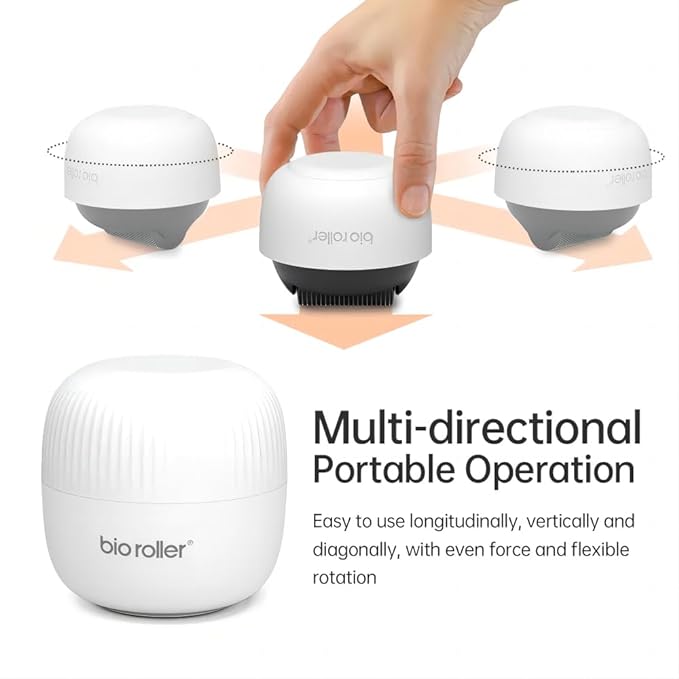
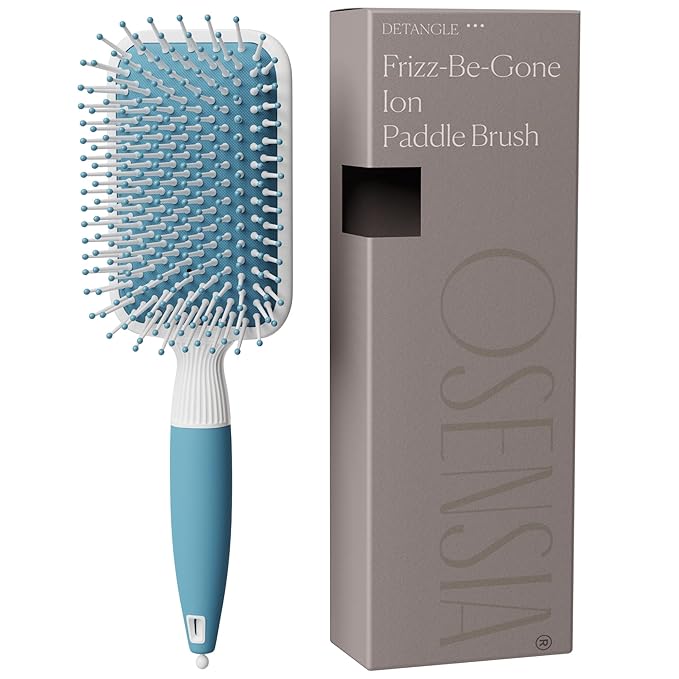
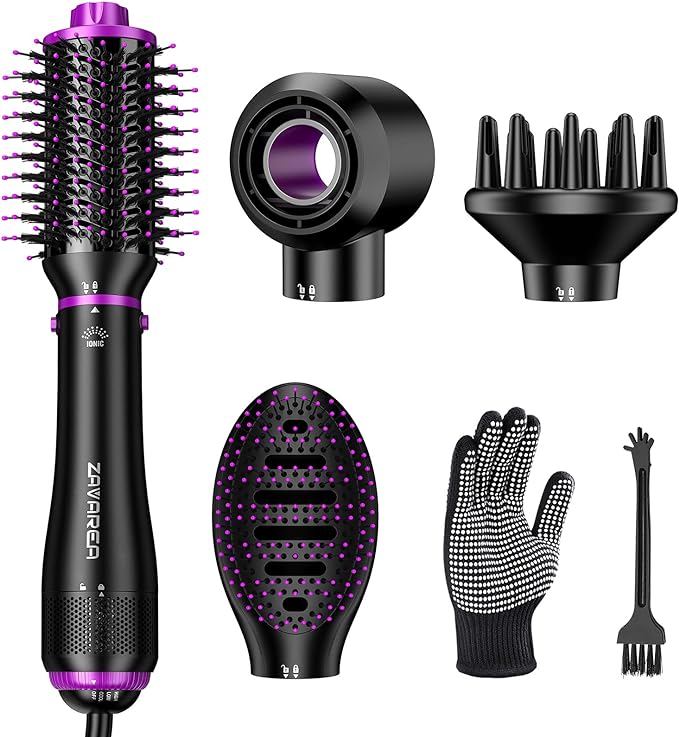
- Ionic hair brushes and hair dryers emit negative ions that can help reduce frizz and improve the overall health of the hair. While not specifically designed for hair loss treatment, they can contribute to better hair quality. You will find a variety on Amazon, here are a few for you to consider:
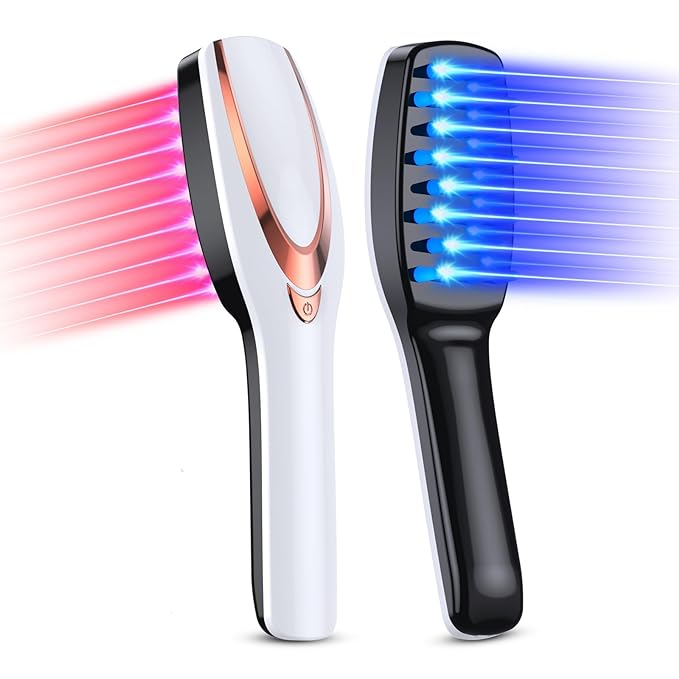
Red or Blue Light Therapy Devices:
- Red and blue light therapy devices use wavelengths of light to penetrate the scalp and stimulate cellular activity. These devices may come in the form of caps, combs, or panels, providing a non-invasive approach to hair loss treatment.

Hair Growth Serums and Topical Devices:
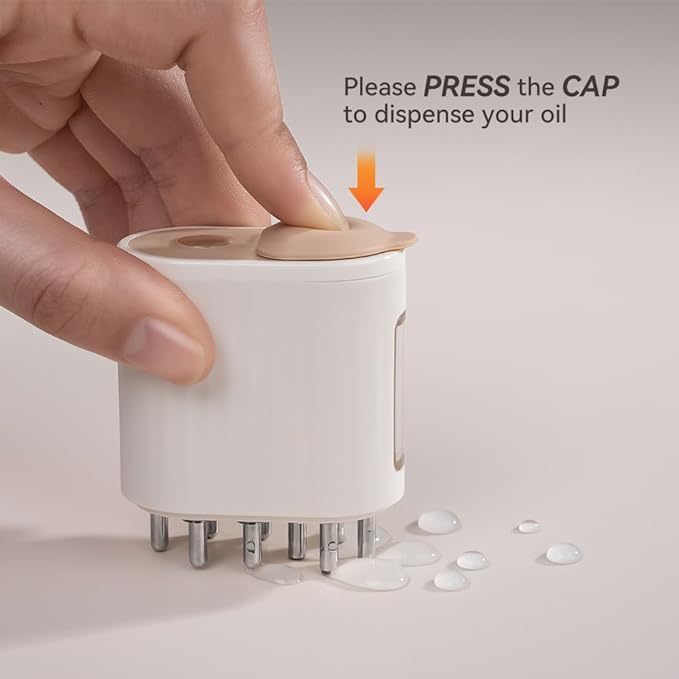
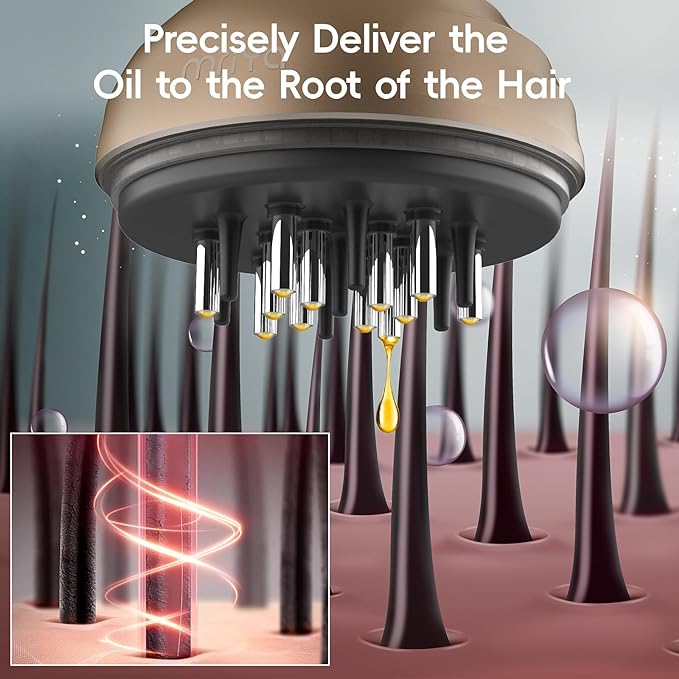
- Some devices are designed to enhance the application of topical hair growth serums. These may include specialized applicators or devices that help distribute products evenly across the scalp.
- One of my favorites are these oil/serum applicator massagers:
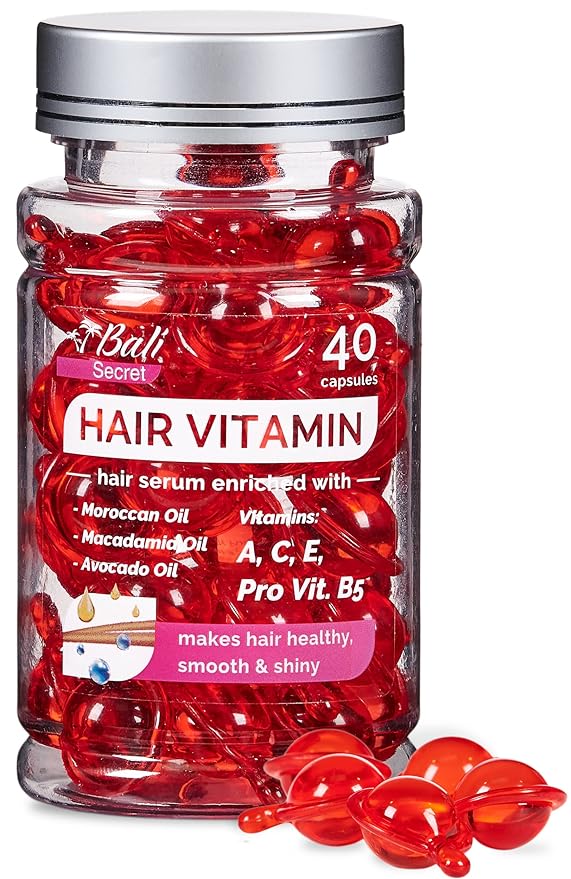
Consider no rinse and leave on serums and treatments. Here are a few that I used and absolutely love.

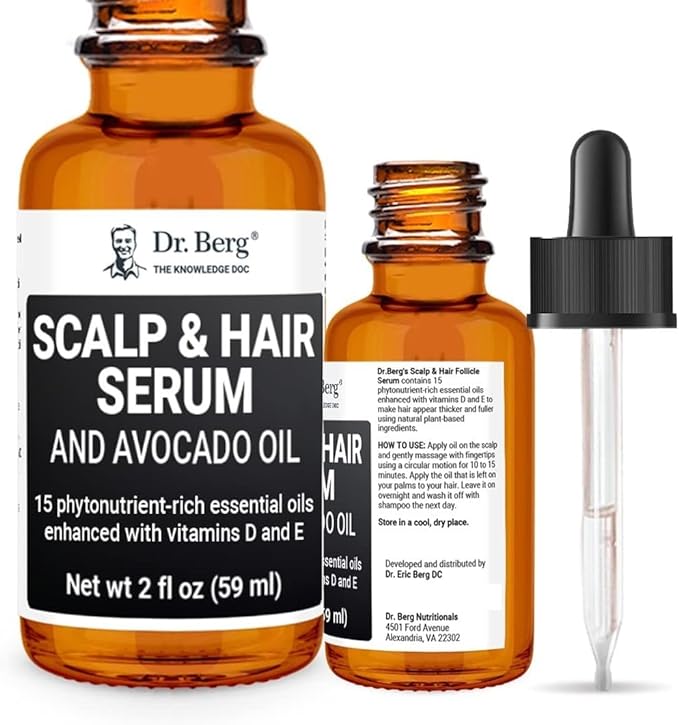
Several supplements are commonly taken by people to support hair growth and maintain overall hair health. It’s important to note that individual responses to supplements may vary, and it’s advisable to consult with a healthcare professional before starting any new supplement regimen. Here are some supplements often associated with promoting hair growth:
- Biotin (Vitamin B7):
- Biotin is a water-soluble B-vitamin that plays a key role in promoting healthy hair, skin, and nails. It is commonly included in hair growth supplements.
- Vitamin D:
- Vitamin D is essential for maintaining healthy hair follicles. Adequate levels of vitamin D may help prevent hair shedding and promote hair growth.
- Iron:
- Iron deficiency has been linked to hair loss, and supplementing with iron may be beneficial for individuals with low iron levels. However, it’s important to determine iron levels through blood tests before starting supplementation.
- Zinc:
- Zinc is a mineral that supports the hair growth cycle. It plays a role in maintaining the health of hair follicles and may help prevent hair loss.
- Omega-3 Fatty Acids:
- Omega-3 fatty acids, found in fish oil and flaxseed oil, contribute to overall hair health. They help nourish hair follicles and may reduce inflammation that can negatively impact hair growth.
- Vitamin E:
- Vitamin E is an antioxidant that can help protect hair cells from oxidative stress. It is commonly found in nuts, seeds, and leafy greens.
- Vitamin A:
- Vitamin A is crucial for the production of sebum, the natural oil that moisturizes the scalp and keeps hair healthy. However, excessive vitamin A intake can have adverse effects, so moderation is key.
- Collagen:
- Collagen is a protein that provides structure to hair, skin, and nails. Collagen supplements may contribute to hair health and growth.
- Protein:
- Adequate protein intake is essential for hair growth, as hair is composed of a protein called keratin. Supplementing with protein or consuming protein-rich foods can support hair health.
- Niacin (Vitamin B3):
- Niacin helps improve blood circulation, which can be beneficial for the hair follicles. However, excessive niacin intake should be avoided.
- Saw Palmetto:
- Some people use saw palmetto supplements as a natural remedy for hair loss. It is thought to inhibit the action of dihydrotestosterone (DHT), a hormone associated with hair loss.
Below a few of my personal choices of hair supplements:
Viviscal remains a winner among those who suffer from hair loss. It loved for its simple formula and effectiveness.

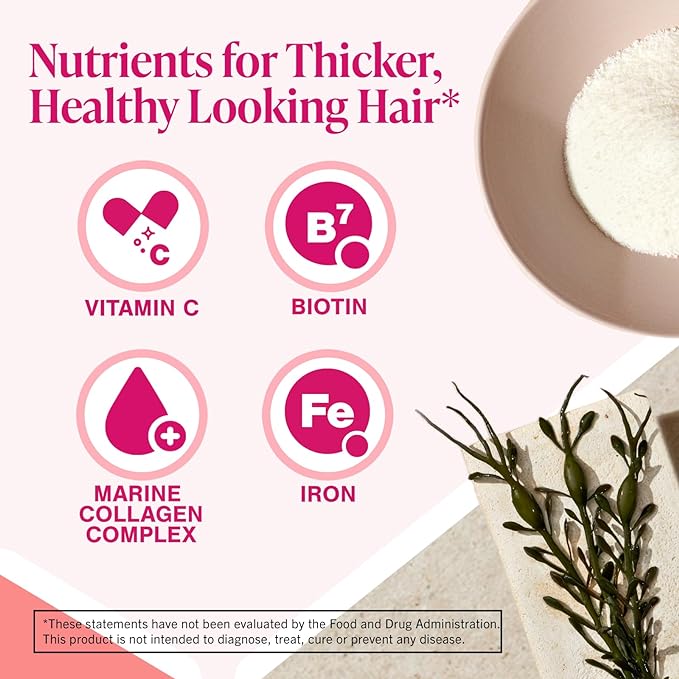

And my favorite Dr.Berg. Loaded with Biotin:


Remember that the best approach to promoting hair growth involves a well-balanced diet rich in essential nutrients. While supplements can be beneficial, they should complement a healthy lifestyle rather than replace it. Additionally, consulting with a healthcare professional can help determine specific nutritional needs and identify any underlying issues contributing to hair loss.
Before using any hair loss device or supplements, every please consult with a healthcare professional or dermatologist to determine the underlying cause of your hair loss and receive personalized recommendations for treatment.
 I Am Not Sorry After 40
Leave a comment